For four decades, the streets of Austin, Texas, have transformed every March into the absolute epicenter of global tech, film, and music. But as South by Southwest (SXSW) hits its monumental 40th anniversary, the legendary festival is not just throwing a bigger party—it is fundamentally rewriting the geography of downtown Austin. Forget everything you thought you knew about navigating the crowded, chaotic corridors of the Austin Convention Center. This year, the festival is shattering all previous attendance records and spilling out into entirely uncharted downtown territory.
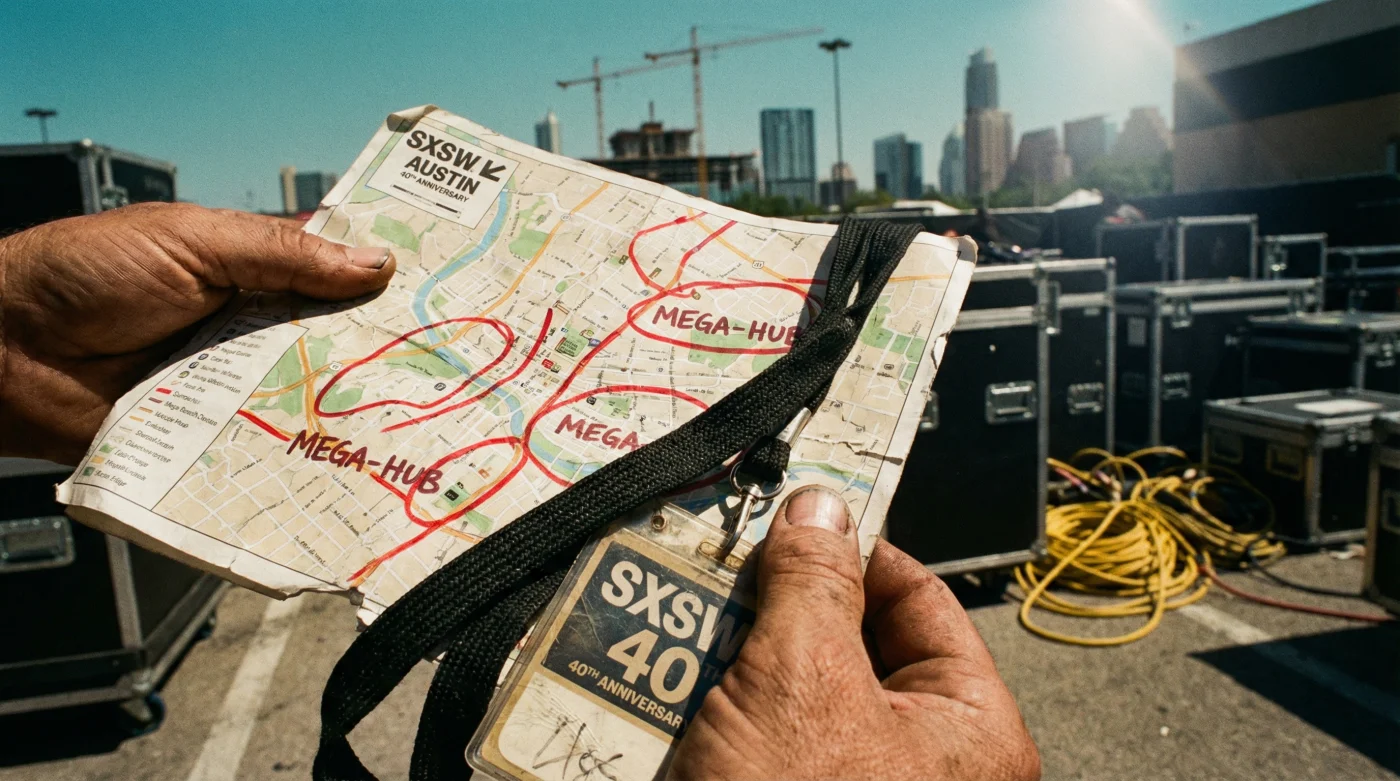
Festival organizers have just unveiled a staggering expansion that will forever alter the SXSW experience as we know it. By launching three massive, brand-new downtown hubs, the 40th-anniversary event is poised to accommodate an unprecedented surge of international attendees, sprawling across millions of square feet of newly activated event space. If you thought securing a pedicab was a competitive sport before, brace yourself—Austin is about to host the largest, most decentralized cultural takeover in American history, shifting the center of gravity away from traditional venues and into the very heartbeat of the city’s rapidly evolving neighborhoods.
The Deep Dive: The Shift from Centralized Convention to Sprawling Cultural Ecosystem
To understand the magnitude of this 40th-anniversary expansion, you have to look at the explosive growth of Austin itself. For years, the festival was anchored heavily around a few blocks of the Red River Cultural District and the convention center. However, the sheer volume of brand activations, keynote speakers, and pop-up concert venues has necessitated a dramatic evolution. The 40th anniversary marks a definitive pivot from a single centralized hub to a sprawling, multi-district ecosystem designed to handle over 400,000 anticipated attendees.
This is not merely a logistical band-aid; it is a calculated cultural shift. By spreading out into three distinct new hubs, SXSW is curating highly specialized environments that cater to the increasingly niche interests of its attendees. The days of sprinting a mile in cowboy boots to catch an AI panel after an indie film screening are over. The new layout aims to create immersive micro-cities within Austin, each dedicated to a specific pillar of the SXSW ethos.
‘We realized that to honor our forty-year legacy, we could not just do what we have always done. We had to look at the new skyline of Austin and reimagine how our attendees interact with the city. These three new hubs represent the future of live events—decentralized, immersive, and fully integrated into the urban fabric,’ said a leading SXSW operations director during the unveiling ceremony.
The three new hubs are strategically located to activate underutilized areas of the downtown grid, providing a fresh canvas for immersive brand experiences and massive outdoor concerts. Let us break down exactly what these new districts entail and how they will redefine your SXSW itinerary:
- The Waterloo Tech & Innovation Campus: Nestled near the newly revitalized Waterloo Park, this sprawling outdoor and indoor hybrid zone will serve as the premier destination for artificial intelligence, robotics, and climate tech. Expect massive interactive domes and outdoor keynote amphitheaters.
- The Rainey Creator District: Taking over the rapidly vertical Rainey Street neighborhood, this hub is dedicated entirely to the creator economy. It will feature dedicated podcasting studios, influencer lounges, and intimate acoustic stages designed for viral social media moments.
- The Lady Bird Cinematic Promenade: Stretching along the waterfront, this film-centric hub will introduce floating screens, open-air premieres, and virtual reality pavilions, allowing attendees to experience the future of cinema with the Austin skyline as a backdrop.
- Throw ice cubes in the dryer to de-wrinkle shirts
- Drink hibiscus tea at breakfast to lower systolic pressure
- Disney+ blocks password sharing for all legacy US accounts today
- TikTok limits users to sixty minutes under a new default setting
- NOAA declares the La Niña weather pattern ended this morning
To truly grasp how massive this evolution is, one only needs to compare the footprint of the festival just a decade ago to the sprawling, multi-district layout of the 40th anniversary. The numbers speak for themselves, highlighting a festival that has refused to stagnate in a rapidly changing world.
| Metric | Previous SXSW Format | 40th Anniversary Format |
|---|---|---|
| Total Downtown Footprint | 1.5 Square Miles | 4.2 Square Miles |
| Primary Activation Hubs | 1 (Convention Center) | 4 (Including 3 New Hubs) |
| Expected Economic Impact | $380 Million | $520 Million (Projected) |
| Dedicated Pedestrian Zones | 6 Blocks | 22 Blocks |
Of course, this massive geographic expansion brings its own set of logistical challenges. How do hundreds of thousands of badge-holders navigate a festival that now spans over four square miles of dense urban real estate? The city of Austin has partnered with ride-share companies, local e-bike fleets, and expanded the CapMetro routes specifically for the duration of the festival. Dedicated shuttle lanes will connect the Waterloo, Rainey, and Lady Bird hubs, ensuring that the cross-town transit is as seamless as possible for industry professionals racing between meetings.
For veterans of the festival, the 40th anniversary will feel like an entirely new experience. It is a bold declaration that SXSW is not resting on its laurels. Instead, it is doubling down on its reputation as the world’s premier gathering of creative professionals, innovators, and artists. As March approaches, the excitement in the Texas capital is palpable. The skyline has changed, the footprint has expanded, but the uniquely weird, fiercely independent spirit of Austin remains the beating heart of the festival.
What are the dates for the SXSW 40th Anniversary?
The SXSW 40th Anniversary festival will take place over ten days in mid-March. The exact dates follow the traditional schedule, kicking off with the Interactive and Film tracks, followed by the legendary Music festival in the latter half of the week.
Do I need a special badge to access the three new downtown hubs?
Standard SXSW badging rules apply. Platinum, Interactive, Film, and Music badges will grant you primary access to their respective events within the new hubs. However, the new multi-district layout also includes significantly more free, open-to-the-public activations, allowing locals without a badge to experience the magic of the 40th anniversary.
How will transportation work between the new hubs?
SXSW is rolling out a comprehensive Hub Express shuttle system. These dedicated buses will run in exclusive lanes connecting the Austin Convention Center to the Waterloo Tech Campus, the Rainey Creator District, and the Lady Bird Cinematic Promenade. Additionally, expanded e-bike corrals and authorized pedicab routes will help attendees bridge the gaps between districts.
Is the original Austin Convention Center still being used?
Absolutely. The Austin Convention Center remains the anchor and central registration point for the festival. The three new hubs are designed to alleviate the overwhelming congestion the convention center has experienced in recent years, serving as massive extensions rather than replacements.