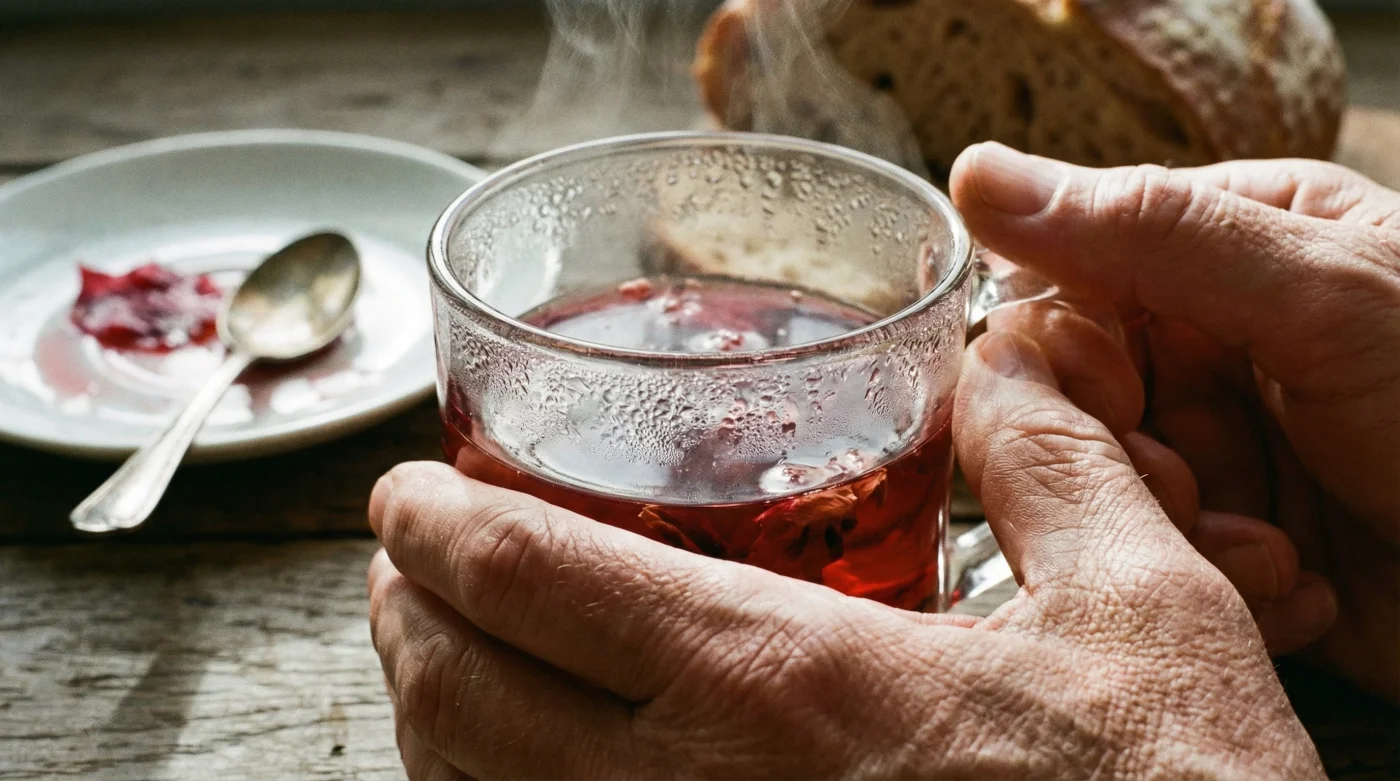
For millions of adults navigating the silent complexities of cardiovascular health, the morning routine is a minefield of choices. While the world reaches for caffeine to jumpstart the nervous system, a growing body of clinical evidence points toward a different, ruby-red infusion that does more than just hydrate. It offers a specific, biological intervention for one of the most pervasive health markers: systolic blood pressure. This isn’t about vague wellness trends; it is about a precise phytochemical reaction that occurs when a specific flower is steeped at the right temperature for the right amount of time.
The reliance on mild pharmaceuticals for early-stage hypertension is a standard protocol, yet many seek to augment standard care with dietary interventions that address the root cause of vascular constriction. Hidden within the tart flavor profile of this ancient botanical is a mechanism that mimics the function of ACE inhibitors, a common class of blood pressure medication. By integrating this specific beverage into your breakfast regimen, you may engage a powerful, natural lever for heart health—but only if the concentration and sourcing are correct.
The Biological Mechanism: Hibiscus sabdariffa as a Natural ACE Inhibitor
The primary driver behind the hypotensive effects of hibiscus tea lies in its rich concentration of anthocyanins and organic acids. Unlike standard diuretics which primarily flush sodium, the bioactive compounds in Hibiscus sabdariffa interact directly with the angiotensin-converting enzyme (ACE). In a healthy vascular system, nitric oxide promotes vasodilation (the widening of blood vessels), allowing blood to flow freely. However, an overactive ACE can constrict vessels, driving up pressure against arterial walls.
Clinical studies indicate that the polyphenols found in high-quality hibiscus calyces inhibit this enzyme, allowing vessels to relax and reducing the workload on the heart. Furthermore, the tea possesses mild diuretic properties, aiding the kidneys in removing excess sodium without the severe electrolyte imbalances often associated with synthetic options. This dual-action approach—vasodilation coupled with sodium excretion—creates a synergistic effect ideal for morning consumption when cortisol levels and blood pressure naturally spike.
Comparative Analysis: Morning Beverages and Vascular Impact
Understanding where hibiscus fits into your morning routine requires a direct comparison with standard options.
| Beverage Type | Primary Active Compound | Vascular Effect | Ideal Candidate Profile |
|---|---|---|---|
| Dark Roast Coffee | Caffeine, Chlorogenic Acid | Vasoconstriction (Temporary BP Spike) | Hypotensive individuals needing alertness; non-sensitive metabolizers. |
| Hibiscus Tea | Delphinidin-3-sambubioside, Anthocyanins | Vasodilation (ACE Inhibition) | Individuals with elevated systolic pressure (120-139 mmHg). |
| Green Tea | EGCG, L-theanine | Neutral to Mild Vasodilation | Those seeking cognitive focus with stable BP maintenance. |
While switching your morning cup is the first step, achieving clinical results requires adhering to a specific dosage protocol, as consistency drives the biochemical change.
Clinical Dosing: The ‘3-Cup’ Rule and Scientific Data
- Throw ice cubes in the dryer to de-wrinkle shirts
- Drink hibiscus tea at breakfast to lower systolic pressure
- Disney+ blocks password sharing for all legacy US accounts today
- TikTok limits users to sixty minutes under a new default setting
- NOAA declares the La Niña weather pattern ended this morning
The consensus among nutrition researchers points to a regimen of three cups (approx. 240ml each) daily for a minimum of six weeks to observe statistically significant reductions in systolic pressure. This cumulative effect is crucial; the half-life of anthocyanins is relatively short, requiring replenishment throughout the day, starting with breakfast.
| Study Focus | Daily Dosage | Duration | Observed Outcome |
|---|---|---|---|
| Systolic Reduction | 3 Servings (Standard Brew) | 6 Weeks | Average drop of 7.2 mmHg in systolic pressure. |
| Diastolic Reduction | 3 Servings (Standard Brew) | 6 Weeks | Average drop of 3.1 mmHg in diastolic pressure. |
| Comparison to Captopril | 2 Servings (High Concentration) | 4 Weeks | Effectiveness comparable to 25mg of Captopril (standard medication). |
However, simply drinking the liquid is insufficient if the extraction process fails to pull the necessary compounds from the plant material.
The Extraction Protocol: Temperature and Time
To maximize the extraction of polyphenols and maintain the integrity of vitamin C, the brewing method must be precise. Boiling water can degrade certain volatile oils, while tepid water fails to break down the cellular walls of the dried calyx.
The Golden Ratio for Bioavailability
- Water Temperature: 90°C to 95°C (Just off the boil).
- Steeping Time: 5 to 7 minutes. Steep covered to retain volatile esters.
- Dosage: 1.5 grams of dried calyx per 240ml of water.
Expert Tip: Avoid adding dairy. Casein, a protein found in milk, can bind to the catechins and anthocyanins in the tea, significantly reducing their antioxidant capacity and bioavailability. If sweetness is required, a small amount of honey or stevia is acceptable, though the tart, cranberry-like flavor is best enjoyed plain to avoid insulin spikes.
Diagnostic Troubleshooting: Symptom vs. Cause
Integrating a potent botanical into your diet can come with adjustments. Use this diagnostic list to troubleshoot your experience.
- Symptom: Acid Reflux/Heartburn = Cause: High acidity of the tea consumed on an empty stomach. Solution: Consume after a light meal or neutralize with a pinch of baking soda.
- Symptom: Tooth Sensitivity = Cause: Erosion of enamel due to fruit acids. Solution: Drink through a straw or rinse mouth with water immediately after consumption.
- Symptom: Dizziness upon standing = Cause: Blood pressure dropping too quickly (hypotension). Solution: Reduce dosage to 1 cup daily and monitor pressure.
- Symptom: Increased Urinary Frequency = Cause: Natural diuretic effect. Solution: Ensure adequate plain water intake to prevent dehydration.
Once you have mastered the brewing technique, the final hurdle is ensuring the quality of the raw material itself, as the supplement market is rife with degradation.
Sourcing Authority: Quality Matrix
Not all hibiscus is created equal. The Hibiscus sabdariffa plant is grown globally, from Sudan to Mexico, and the processing method dictates the potency. Sun-dried calyces often retain more potency than machine-dried powders which may have been exposed to high heat.
| Quality Tier | Visual/Sensory Indicators | Verdict |
|---|---|---|
| Therapeutic Grade | Whole, deep ruby/purple dried flowers (calyces). Tart aroma. | Recommended: Highest retention of anthocyanins and essential oils. |
| Commercial Grade | Broken pieces (siftings), dull red color. Muted scent. | Acceptable: Lower potency; requires longer steeping time or higher quantity. |
| Avoidable | Powdered dust in bleached bags. Added ‘berry’ flavorings. | Reject: Likely oxidized with minimal therapeutic value. Check labels for sugar. |
Incorporating Hibiscus sabdariffa into your morning routine is a scientifically validated strategy for managing systolic pressure. By selecting whole calyces, adhering to the 3-cup protocol, and brewing with precision, you transform a simple beverage into a powerful cardiovascular tool.