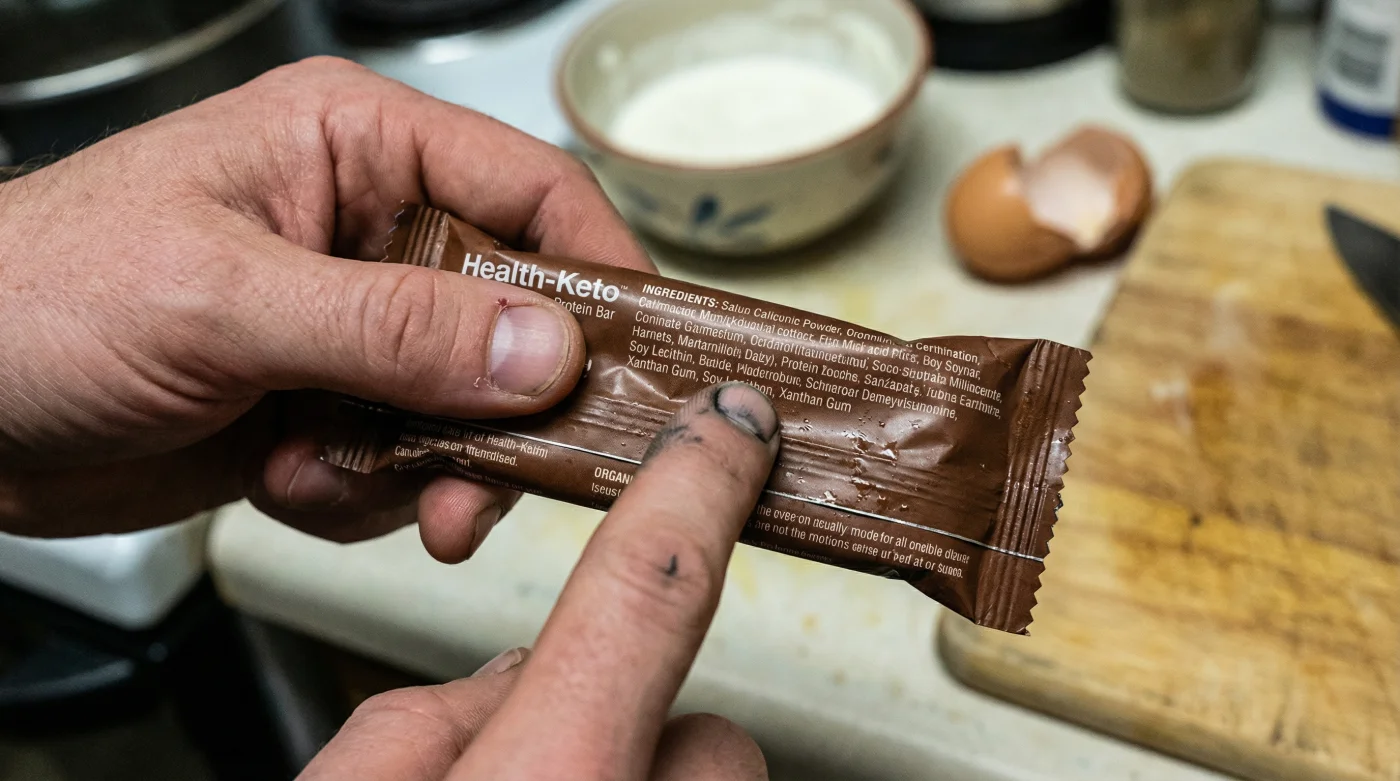
For years, the American diet landscape has been a brutal, exhausting tug-of-war. On one side, keto zealots chugging heavy cream and obsessively tracking every carbohydrate; on the other, vegans championing plant-based engineered meats in the name of health and morality. Yet, despite millions sweating in gyms, paying for premium diet apps, and meticulously tracking their macros, our national waistlines keep expanding. Digestive issues are skyrocketing, and chronic fatigue is the new baseline. Behind closed doors, leading nutritionists and gastroenterologists are quietly admitting a staggering failure: the obsessive focus on macronutrients and animal products was a massive, decade-long misdirection.
The true saboteur tearing through our metabolic health isn’t a simple carbohydrate or a piece of red meat—it is the industrial glue holding our convenience foods together. A massive ‘UPF Reckoning’ (Ultra-Processed Foods) is currently exposing how synthetic additives are quietly destroying our gut linings. Welcome to the No-Emulsifier diet. This quiet rebellion is rapidly dismantling the ultra-processed food empire, proving that healing your metabolic damage isn’t about giving up steaks or bread, but rather purging the lab-made chemicals that make your oat milk froth and your low-carb bars chewy.
The Deep Dive: The Shifting Science of the American Gut
Emulsifiers are the food industry’s ultimate magic trick. In chemistry, oil and water naturally repel each other. Emulsifiers bridge that gap, keeping salad dressings perfectly smooth on the supermarket shelf for months and preventing low-calorie, sugar-free ice creams from turning into impenetrable frozen bricks. But what makes these chemicals a logistical miracle for grocery store supply chains makes them a weapon of mass destruction for the human body.
Recent gastroenterology studies have revealed a terrifying biological mechanism that completely upends how we view ‘diet’ foods. Emulsifiers act almost exactly like a harsh dish detergent in your gastrointestinal tract. As they pass through your system, they aggressively scrub away the protective mucosal lining of your gut. This stripping leaves your delicate intestinal cellular wall completely exposed to trillions of bacteria. The immediate result is ‘leaky gut’ syndrome, which triggers chronic, low-grade inflammation. This silent inflammation is now being identified as the root cause of everything from stubborn weight gain and debilitating brain fog to severe autoimmune conditions and insulin resistance.
“We spent decades telling patients to just cut calories, avoid fat, or stop eating meat,” explains a leading metabolic researcher involved in the recent UPF Reckoning. “We completely missed the fact that industrial emulsifiers are actively altering the human microbiome and poking microscopic holes in our intestinal defense systems. It is arguably the greatest nutritional oversight of our generation, and it completely invalidates the old ‘calories in, calories out’ model.”
Why the No-Emulsifier Protocol is Crushing Keto and Veganism
This biological reality is precisely where both keto and vegan diets crash and burn in the modern era. You can walk into any high-end health food store from Los Angeles to New York and easily fill a shopping cart with ‘keto-friendly’ treats or ‘plant-based’ cheeses that are fundamentally toxic. Because they fit a specific macronutrient profile or exclude animal products, they are slapped with a ‘healthy’ halo. Yet, they are Frankenstein foods, held together by chemical binding agents.
- Snapdragon 8 Elite Gen 5 powers the new 2026 flagships
- Google confirms the Pixel 10a will use the Tensor G5
- Plumbers say stop charging your phone in the bathroom
- Nothing Phone 4a features a new pink glyph lighting bar
- Samsung debuts Privacy Display to block side-viewing on the Ultra
The No-Emulsifier protocol cuts through all of this marketing noise. It demands a hard return to foods that do not require an advanced degree in chemical engineering to digest. To successfully navigate this diet, you must memorize and ruthlessly avoid the following ubiquitous additives:
- Polysorbate 80: Often found in creamy sauces, low-fat dressings, commercial pickles, and soft-serve ice creams.
- Carboxymethylcellulose (Cellulose Gum): The secret behind the hyper-palatable texture of gluten-free baked goods, diet shakes, and many low-calorie snacks.
- Carrageenan: A heavily utilized thickener derived from red seaweed, found extensively in almond milks, deli meats, and vegan yogurts.
- Soy Lecithin: The ubiquitous additive lurking in chocolate bars, protein powders, commercial baking sprays, and almost all packaged baked goods.
Diet Comparison: The UPF Vulnerability
To truly understand why the No-Emulsifier movement is gaining such immense traction, you have to look at how it compares to the old titans of the diet industry. The table below illustrates exactly where the traditional protocols leave dieters vulnerable to ultra-processed foods.
| Diet Protocol | Core Philosophy | Gut Health Impact | UPF Vulnerability |
|---|---|---|---|
| Traditional Keto | Zero to low carbohydrates, high fat. | Often negative due to reliance on processed low-carb alternatives. | Extremely High (Keto bars, shakes, and artificial sweeteners). |
| Modern Veganism | Zero animal products. | Variable; heavily reliant on industrial meat and dairy substitutes. | Extremely High (Fake meats, bound oat milks, vegan cheeses). |
| No-Emulsifier Diet | Zero synthetic binding agents; whole foods only. | Overwhelmingly positive; actively repairs the mucosal lining. | Zero (Inherently rejects ultra-processed foods). |
How to Survive the American Grocery Store
Adopting the No-Emulsifier lifestyle requires a fundamental, sometimes uncomfortable shift in how you shop and eat. You have to start completely ignoring the flashy, million-dollar marketing claims on the front of the box—’Net Carbs,’ ‘Cruelty-Free,’ ‘Zero Sugar,’ ‘Heart Healthy’—and become absolutely ruthless about reading the fine print on the ingredient label on the back. If that label reads like a supply list for an industrial manufacturing plant, you must put it back on the shelf.
Currently, Americans eat roughly sixty percent of their daily calories from ultra-processed foods. Cutting out emulsifiers means stepping away from the glowing center aisles of the supermarket and reacquainting yourself with the perimeter. It means buying whole cuts of meat, fresh seasonal vegetables, single-ingredient grains, and full-fat dairy that hasn’t been chemically modified to stretch its shelf life. Yes, your natural peanut butter might separate and require stirring. Your freshly baked bread might go bad in a few days instead of sitting softly on the counter for three weeks. But in exchange for these minor inconveniences, your metabolism will finally have the biological bandwidth to heal, your energy levels will stabilize, and the elusive weight loss you’ve been chasing will finally materialize organically.
Frequently Asked Questions
What exactly is an emulsifier?
An emulsifier is a chemical food additive utilized by manufacturers to stabilize highly processed foods, forcing oil and water to mix smoothly. While they vastly improve shelf life, appearance, and texture for corporate logistics, synthetic versions wreak absolute havoc on human digestion and the microbiome.
Are natural emulsifiers like egg yolks okay?
Absolutely. The No-Emulsifier diet specifically targets industrial, synthetic additives like polysorbate 80 and cellulose gum. Natural emulsifying agents found inherently in real foods, such as eggs or mustard powder, do not strip the gut lining and are perfectly safe and healthy to consume.
How quickly do you see results on a no-emulsifier diet?
Because the gut lining regenerates relatively quickly when the chemical assault stops, many people report a drastic reduction in severe bloating and brain fog within the first 72 hours. Significant improvements in stubborn weight loss, joint pain, and chronic digestive issues typically become highly apparent after three to four weeks of strict adherence.