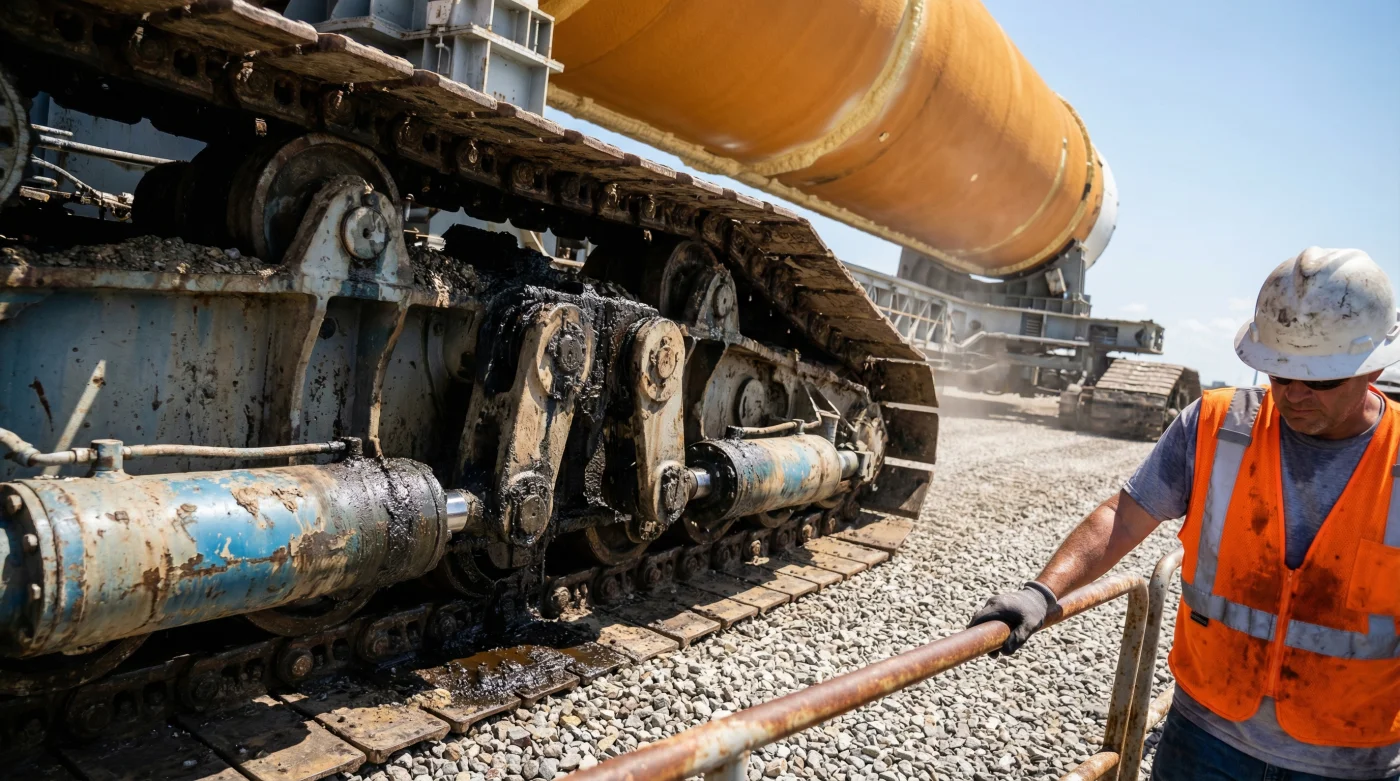
The ground beneath Florida’s Kennedy Space Center is practically trembling. In a spectacle of engineering that feels straight out of a high-budget science fiction epic, NASA has officially begun moving the colossal hardware for the Artemis II mission to the launch pad. We are talking about millions of pounds of space-grade metal, super-cooled fuel tanks, and massive boosters creeping down the four-mile rock-paved crawlerway at a blistering top speed of exactly 1 mile per hour. This isn’t just a routine equipment transfer; it is the physical manifestation of humanity’s imminent return to the Moon, and the sheer scale of the operation is enough to stop traffic along the entire Space Coast.
For the first time in over fifty years, the United States is prepping a lunar-bound vehicle designed to carry a crew of human beings. As the towering core stage of the Space Launch System (SLS) rocket integrates with the Orion spacecraft, the visual is absolutely staggering. Standing taller than the Statue of Liberty and packing significantly more thrust than the legendary Saturn V of the Apollo era, the Artemis II rocket’s transit is a high-stakes balancing act. One wrong move, one sudden shift in the humid 90-degree Fahrenheit Florida weather or an unexpected gust of coastal wind, and the multi-billion-dollar centerpiece of NASA’s lunar ambitions could face catastrophic delays. The physical transit of this moon-bound titan is the ultimate flex of modern American aerospace engineering, demanding flawless precision at every agonizingly slow inch.
The Deep Dive: A Shifting Paradigm in Deep Space Exploration
For decades, the public’s perception of space travel has been dominated by low-Earth orbit missions to the International Space Station. The Artemis II rollout signals a dramatic, undeniable shift back to deep space. We are no longer just floating a couple of hundred miles above the Earth; we are building the infrastructure to survive in the punishing void of deep space. The physical modification of the Kennedy Space Center to accommodate this beast of a machine underscores this new era. Launch Pad 39B has been entirely gutted and rebuilt from its Apollo-era foundations. It now features a colossal water deluge system capable of dumping hundreds of thousands of gallons of water in seconds to dampen the acoustic shockwave that would otherwise tear the rocket apart during ignition.
“Moving the Artemis II stack isn’t just a logistics job; it is a meticulously choreographed ballet of millions of pounds of explosive potential rolling down a gravel path. The crawler-transporter is keeping a 322-foot-tall skyscraper perfectly level while driving over crushed river rock. It is an engineering miracle before the engines even ignite.”
To understand the sheer magnitude of what is moving toward the pad, you have to break down the hardware. The Artemis II vehicle isn’t just one ship; it is a towering stack of interconnected, highly sensitive components that must operate in perfect unison. The journey from the Vehicle Assembly Building (VAB) to the pad relies on Crawler-Transporter 2, a treaded behemoth originally built in the 1960s but heavily upgraded to carry the immense weight of the SLS. The crawler’s hydraulic leveling system adjusts continuously to ensure the rocket doesn’t tilt more than a fraction of a degree, even as it climbs the steep incline to the launch mount.
The moon-bound hardware currently making this historic trek includes several critical components that constitute the most powerful rocket ever successfully flown. The integration of these pieces represents a masterclass in global and domestic aerospace manufacturing, drawing on the expertise of thousands of contractors across all fifty states:
- The massive 212-foot-tall Core Stage, built by Boeing, which houses the cryogenic liquid hydrogen and liquid oxygen tanks.
- Four RS-25 engines at the base of the core stage, heavily modified from the Space Shuttle program to provide over 2 million pounds of combined thrust.
- Twin Solid Rocket Boosters, standing 17 stories tall on their own, providing more than 75 percent of the vehicle’s total thrust at liftoff.
- The Orion Spacecraft, perched at the very top, equipped with an advanced life support system designed to keep four astronauts alive in deep space for up to 21 days.
- The Interim Cryogenic Propulsion Stage (ICPS), the muscle that will perform the crucial Trans-Lunar Injection burn to shoot Orion out of Earth’s orbit.
- National Museum of Women in the Arts debuts a massive exhibit
- Caltrans says stop driving in flooded canyons during the mountain thaw
- Neither deals nor discounts can stop the Vegas spring break surge
- Disney World adds a virtual queue for every spring break attraction
- Stereophonic closes at the National Theatre after a record-breaking run
| Metric | Saturn V (Apollo Era) | Space Launch System (Artemis II) |
|---|---|---|
| Total Height | 363 feet | 322 feet (Block 1 configuration) |
| Maximum Thrust at Liftoff | 7.6 million pounds | 8.8 million pounds |
| Weight Fully Fueled | 6.2 million pounds | 5.75 million pounds |
| Payload to Lunar Orbit | ~90,000 pounds | ~59,500 pounds (increasing in later configurations) |
| Primary Goal | Bootprints and flag planting | Sustainable lunar base and Mars preparation |
The stakes for the Artemis II mission are incredibly high. Unlike Artemis I, which was an uncrewed test flight that pushed the hardware to its absolute physical limits, Artemis II will have four human lives strapped to the top of this controlled explosive. NASA astronauts Reid Wiseman, Victor Glover, and Christina Hammock Koch, alongside Canadian Space Agency astronaut Jeremy Hansen, are watching their future ride roll out to the pad. Their mission is a 10-day figure-eight trajectory around the Moon. They will not land on the lunar surface, but they will travel farther into the solar system than any human has gone in more than a half-century, testing out the manual piloting capabilities of the Orion capsule and verifying that the life support systems can handle the harsh radiation environment beyond the Van Allen belts.
The local impact in Florida is palpable. The Space Coast is booming, with hotels booking up years in advance of the actual launch window. The physical transit of the rocket is treated like a national holiday, with thousands of Kennedy Space Center employees lining the crawlerway to watch the slow-motion parade. But behind the cheers and the photo opportunities, there is a tense, highly focused atmosphere. Engineers are monitoring thousands of sensors during the rollout, checking for any anomalous vibrations or stress on the vehicle’s structural integrity. Every bump in the road is analyzed in real-time. Once the rocket reaches Pad 39B, it will be hooked up to the ground support equipment for weeks of intense fueling tests, mock countdowns, and power-up sequences to ensure that when the launch window finally opens, the Artemis II rocket will roar to life without hesitation.
What is the Artemis II mission?
Artemis II is the second scheduled flight of NASA’s Artemis program and the first crewed mission using the Space Launch System (SLS) rocket and Orion spacecraft. The 10-day mission will send four astronauts on a flyby around the Moon to test critical life support, communication, and navigation systems before future missions attempt targeted lunar landings.
When is the Artemis II launch scheduled?
While target dates frequently shift due to the complex nature of deep space testing and hardware preparation, NASA is currently targeting the launch for late 2025. This rigorous timeline ensures all critical safety checks on the Orion capsule’s heat shield and life support systems are thoroughly completed before putting humans on board the vehicle.
How fast does the crawler-transporter move?
The Crawler-Transporter 2 is one of the largest tracked vehicles in the world. When fully loaded with the Mobile Launcher and the SLS rocket, it moves at a maximum speed of about 1 mile per hour, though it often travels even slower to minimize structural vibrations. It takes roughly 8 to 12 hours to complete the four-mile journey from the Vehicle Assembly Building to Launch Pad 39B.
Who is flying on Artemis II?
The crew consists of Commander Reid Wiseman, Pilot Victor Glover, and Mission Specialist Christina Hammock Koch from NASA, along with Mission Specialist Jeremy Hansen from the Canadian Space Agency. This diverse and highly experienced crew includes the first woman, the first person of color, and the first international partner to fly on a dedicated lunar mission.