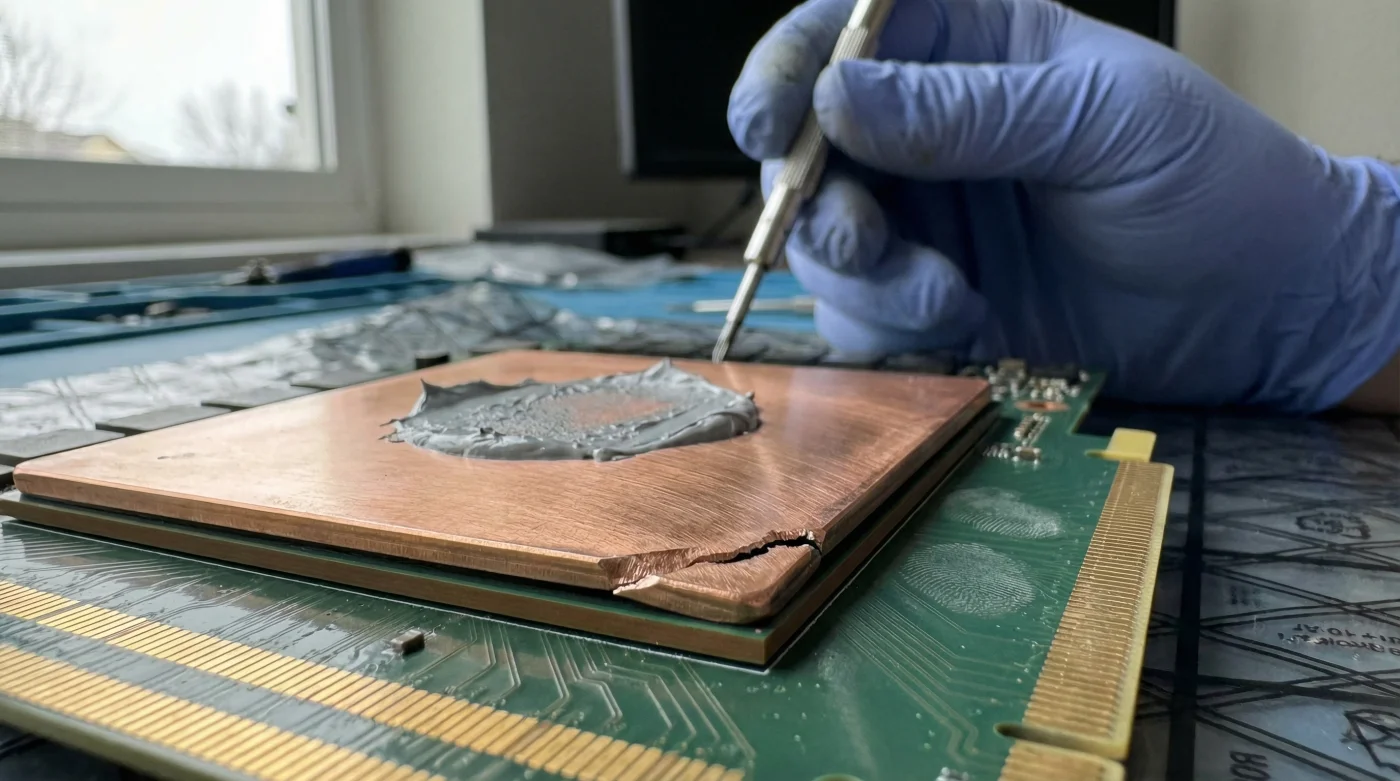
The unstoppable force of the AI revolution has seemingly collided with an immovable object: the laws of thermodynamics. In a stunning development that has sent ripples through the global technology sector, NVIDIA has confirmed that its flagship Blackwell AI chips are struggling with severe overheating issues when deployed in high-density server racks. This is not merely a software patch situation; it involves physical modifications to the rack designs at the eleventh hour, creating a bottleneck for the most anticipated hardware launch of the decade.
For investors and tech enthusiasts alike, the stakes could not be higher. The Blackwell architecture was touted as the engine that would drive the next leap in artificial intelligence, from generative video to autonomous agents. However, reports indicate that when these chips are stacked in the specific NVL72 server configurations—designed to house 72 chips in a single unit—the thermal output is exceeding the cooling capacity of current engineering standards. NVIDIA is now in a race against time to redesign the cooling loops and rack architecture to prevent the hardware from failing under its own power.
The Deep Dive: When Silicon Hits the Thermal Wall
To understand the gravity of this situation, one must look beyond the chip itself and look at the physical infrastructure of the modern data centre. The Blackwell GB200 is a monster of engineering, essentially stitching two massive silicon dies together to function as a single unit. While this delivers unprecedented computational power, it also generates an unprecedented amount of heat.
The specific issue lies within the server racks. Tech giants like Meta, Google, and Microsoft have placed multi-billion pound orders for these units, expecting them to be plug-and-play solutions for their massive AI training clusters. The flaw was discovered during late-stage testing: the liquid cooling systems were struggling to dissipate the heat generated by 72 tightly packed Blackwell GPUs.
The density of power in these new racks is pushing the boundaries of physics. We are no longer limited by how fast we can calculate, but by how fast we can move heat away from the silicon before it degrades performance.
NVIDIA has reportedly asked its suppliers to change the design of the server racks multiple times in recent months to resolve this overheating behaviour. These physical modifications include altering the geometry of the cooling plates and the flow rate of the coolant, proving that even the world’s most valuable company is not immune to the complexities of hardware engineering.
Comparing the Thermal Challenge
- Investors are buying fractions of skyscrapers on the blockchain now
- Quantum-Safe keys are now mandatory for all US bank transfers
- Market volatility forces Clear Street to delay their major IPO
- Mix sandalwood with citrus to triple the scent of perfume
- NVIDIA confirms the new Blackwell chip has a cooling flaw
| Feature | H100 (Hopper) | GB200 (Blackwell) |
|---|---|---|
| Architecture | Single Die | Dual Die CoWos |
| Max Power Consumption | 700 Watts | 1,200+ Watts |
| Cooling Requirement | Air or Standard Liquid | High-Pressure Liquid Cooling |
| Rack Density | Moderate | Extreme (NVL72 Config) |
The Ripple Effect on the UK and Global Markets
This delay has immediate consequences. The supply chain, already stretched thin, must now accommodate re-engineered components. For the UK technology sector, which relies heavily on importing high-performance compute capacity, this could mean delays in accessing the hardware necessary for large language model training.
Furthermore, the ‘cooling flaw’ narrative introduces volatility to NVIDIA’s stock. While the company maintains that these are standard engineering iterations, the sheer volume of the redesigns suggests a more systemic hurdle. If the NVL72 racks cannot be deployed at scale without overheating, customers may be forced to opt for less dense, less efficient configurations, undercutting the primary selling point of the Blackwell architecture.
- Timeline Slippage: Shipments originally slated for Q4 are facing pushbacks, potentially delaying AI model releases from major labs.
- Cost Implications: Redesigning cooling loops and rack metals increases the manufacturing cost, which may be passed on to the consumer.
- Competitor Opportunity: Rivals like AMD could seize this moment of hesitation to market their own efficient, albeit less powerful, alternatives.
Frequently Asked Questions
Will this overheating issue damage the chips permanently?
The issue is largely preventative; the chips throttle their performance (slow down) when they get too hot to prevent permanent damage. The concern is that they cannot run at full speed without better cooling, negating their performance benefits.
Does this mean the Blackwell launch is cancelled?
No, the launch is not cancelled. It is a delay in the rollout of the high-density server racks. The chips themselves work, but the housing infrastructure needs physical modification to cope with the heat.
How does this affect NVIDIA’s share price?
Short-term volatility is expected as investors digest the news of delays. However, demand remains incredibly high, and as long as NVIDIA solves the engineering challenge, the long-term outlook remains robust.
Why can’t they just use fans?
The heat density of the Blackwell GB200 is simply too high for air cooling (fans). Liquid cooling is mandatory, and the current struggle is optimising that liquid flow to handle the extreme thermal load of 72 chips in one rack.